Enrolment options
Sustainable smart ports (SSP) for African countries
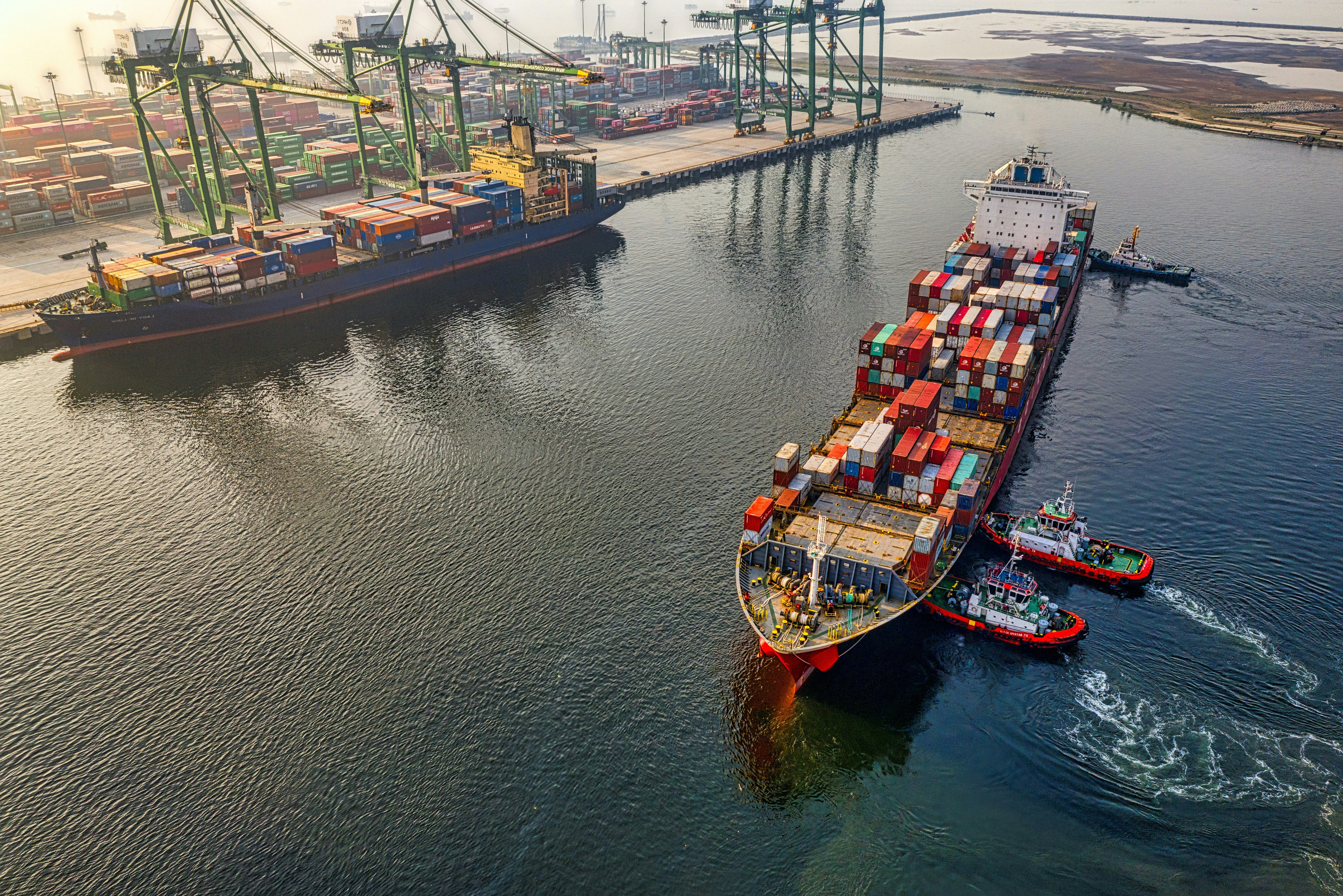
Sustainable Smart Ports (SSP): Advancing Energy Transition in Ports
Ports play a critical role in global trade and economic development, but they are also among the most energy-intensive nodes in transport systems. As the maritime sector advances towards cleaner energy systems, ports are increasingly expected to integrate renewable energy, electrify operations, improve energy efficiency, and support the deployment of alternative marine fuels. Strengthening the capacity of port stakeholders to plan and implement these changes is essential for enabling the energy transition in maritime transport.
To support this process, UN Trade and Development (UNCTAD) has developed the Sustainable Smart Ports (SSP) concept and methodology under the United Nations Development Account project “Sustainable Smart Ports for African countries, including Small Island Developing States.” The project aims to strengthen the capacity of countries to assess port energy systems, identify opportunities for energy efficiency and renewable energy integration, and develop practical roadmaps to guide the transition towards more sustainable and resilient port operations.
This e-learning course on Sustainable Smart Ports builds directly on the analytical work, methodologies, and training materials developed under the project. It translates the experience gained through pilot assessments, regional workshops and capacity-building activities into an accessible training programme designed for a broad range of stakeholders involved in port development.
Objectives
The objective of this course is to strengthen the capacity of port and maritime stakeholders to understand and apply the Sustainable Smart Ports approach in support of the energy transition. The course introduces the key concepts, analytical tools and practical approaches that can help ports improve energy efficiency, integrate renewable energy solutions, and plan the electrification of port operations.
Methodology
Through a series of short, interactive modules, participants will gain a structured introduction to the SSP concept and to UNCTAD’s methodology for assessing and planning sustainable port development. The course combines conceptual explanations with practical examples and case studies, enabling participants to understand how SSP principles can be applied in real port contexts.
Participants will learn how to:
- understand the concept and policy foundations of Sustainable Smart Ports
- explore the role of ports in the energy transition and emerging clean energy supply chains
- apply UNCTAD’s SSP assessment methodology to evaluate port energy systems
- identify practical measures to improve energy efficiency and electrify port equipment
- understand the role of energy management systems, including ISO 50001, in port operations
The course also includes interactive exercises and reflection activities designed to help participants translate what they learn into practical ideas for their own ports or institutions.
Delivered through short, self-paced modules hosted on UNCTAD’s learning platform, the course provides a flexible learning experience that can be completed in approximately three hours. Upon successful completion of the final assessment, participants will receive a certificate of achievement.
Contents
MODULE 1
Sustainable Smart Ports: concepts and context
SSP SSP concept, definition and relevance
Key policy areas and implementation approaches
Ports and the energy transition
MODULE 2 (restricted module*)
Applying the UNCTAD SSP methodology
Port policy context and objectives
Key steps of the SSP assessment methodology
Data needs and stakeholder coordination
(*This module introduces the assessment methodology used in SSP country projects and is reserved for participants involved in SSP assessments.)
MODULE 3
Electrifying Port Equipment: practical approaches
Why electrification matters for ports
Implementation guidelines
Action planning and case examples
MODULE 4
Improving energy efficiency in ports (ISO 50001)
Energy efficiency in port operations
ISO standards and energy management systems
Application of ISO 50001 in ports
Next steps
From learning to action
Scenario-based reflection exercise
Using the SSP platform resources
Developing a personal post-training action note